先月は東北地方で比較的大きな地震があり、地震発生から1週間巨大地震への警戒を呼びかける後発地震注意情報が連日TV等で発信されていました。この後発地震注意情報は、避難経路の確認や家具の固定などの「日頃からの備えの再確認」と、すぐ逃げられる服で寝るなどの「特別な備え」を呼びかけるものです。
私の娘が通う学校でも、災害が発生したことを想定して、今月児童の引き渡し訓練が行われました。この訓練は、大規模な自然災害(地震、大雨等)が発生し、大きな被害が出たときや不審者が学校に侵入したり、近隣地域で凶悪事件等が発生したりして、児童に危害が及ぶ恐れがあるとき等、児童の安全を学校が確認した後に子供を親に引き渡すというものです。
このような訓練を日頃行うことで、子供たち自身も「災害はいつ起こるかわからない」という意識を持つことができ、保護者にとっても、実際に災害が発生した際にどのように行動すべきかを具体的に確認する良い機会になります。「もしもの時」に備えて、日頃から少しずつ準備を積み重ねていくことが大切なのだと感じました。
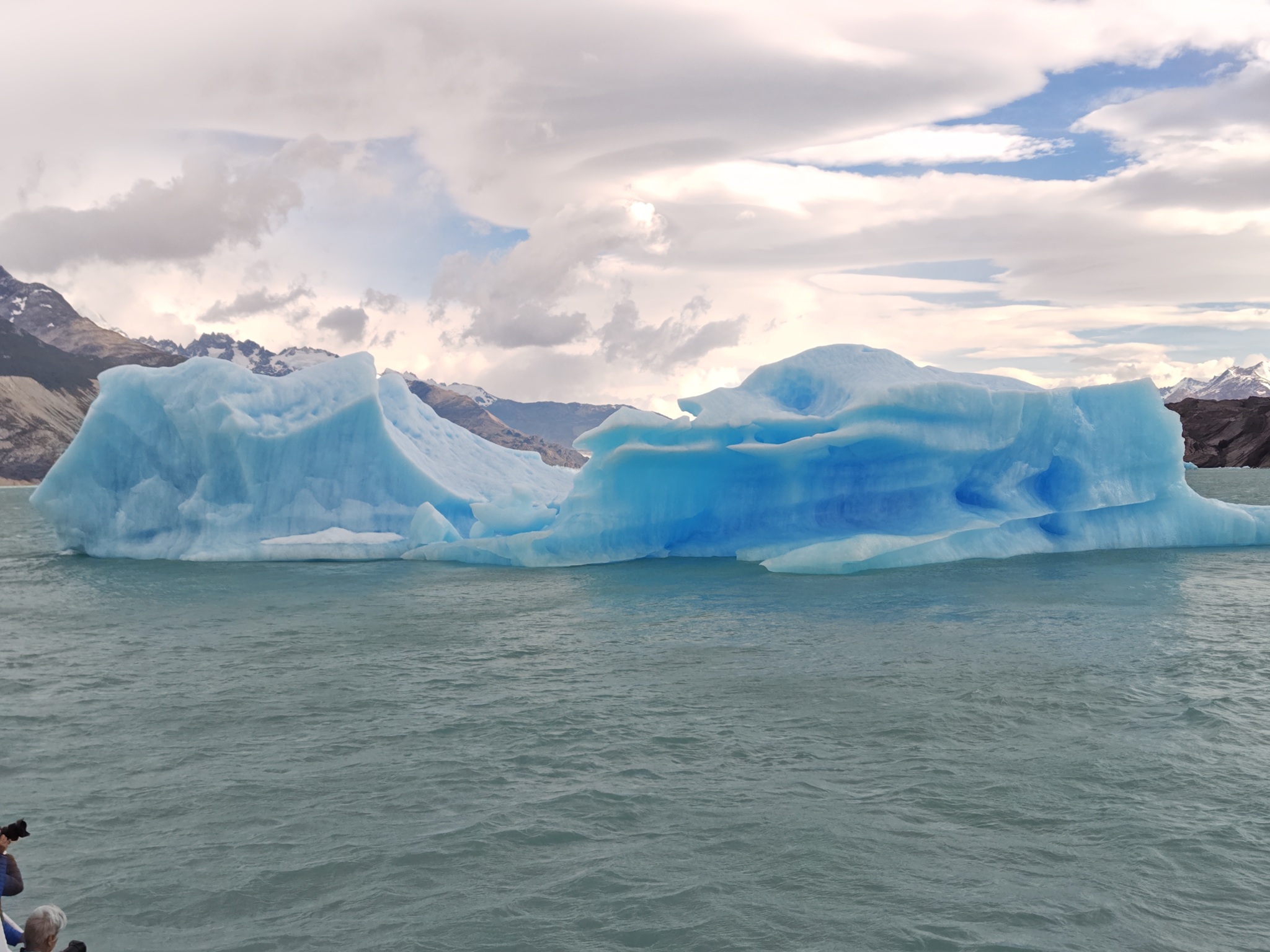
(写真:2月にアルゼンチンのペリト・モレノ氷河からアルヘンティノ湖に流れる流氷)
Last month, a relatively large earthquake struck the Tohoku region of Japan. For a week after the quake, television and other media continuously broadcast advisories warning people to stay alert for a possible larger aftershock. These advisories encouraged people to “reconfirm their everyday preparedness,” such as checking evacuation routes and securing furniture, as well as to take “special precautions,” such as sleeping in clothes that would allow them to evacuate quickly if necessary.
At my daughter’s school, a student handover drill was also conducted this month in preparation for possible disasters. In this drill, children are safely handed over to their parents after the school confirms their safety in situations such as major natural disasters (earthquakes, heavy rain, etc.), suspicious intruders entering the school, or serious crimes occurring in nearby areas that could put students at risk.
By carrying out these kinds of drills regularly, children themselves can develop an awareness that “disasters can happen at any time.” It also gives parents a valuable opportunity to think concretely about how they should respond in an actual emergency. I once again felt how important it is to steadily prepare little by little in our daily lives for “just in case” situations.
(Photo: Drift ice flowing into Lake Argentino from the Perito Moreno Glacier in Argentina in February)

 朝比・増田特許事務所